
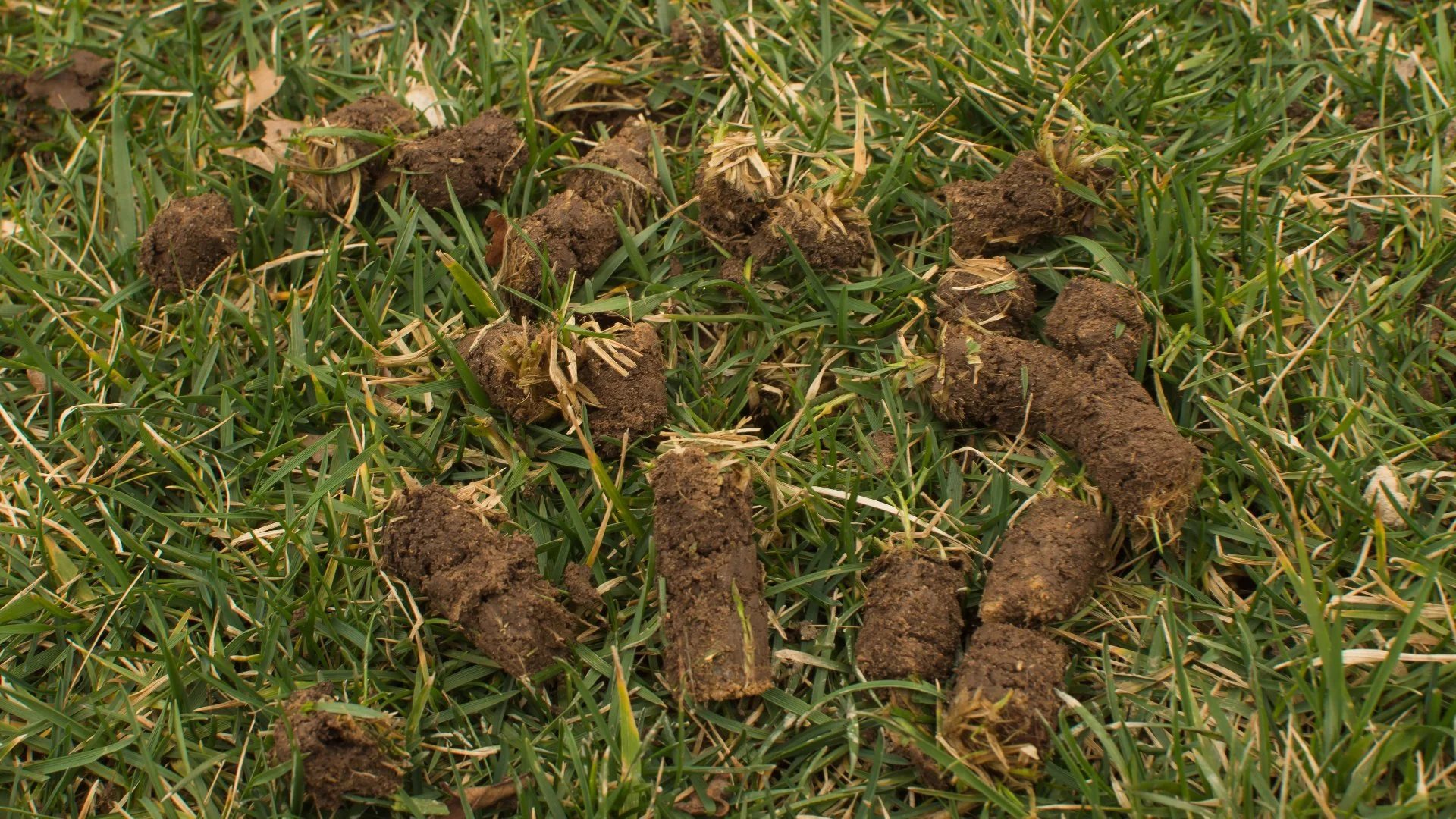
After core aeration, soil clumps, or cores, appear on your lawn as part of the process. These cores, while initially unsightly, play a crucial role in enhancing soil structure and promoting healthier grass growth. It's best to leave them to naturally decompose, enriching the soil with valuable nutrients. If the appearance bothers you, gently raking or mowing over them can speed up decomposition. However, removing them entirely is not advised, as it deprives your lawn of essential nutrients. Embracing this process contributes to a healthier, more resilient lawn in Michigan.
Why are there clumps of soil on my lawn after core aeration?
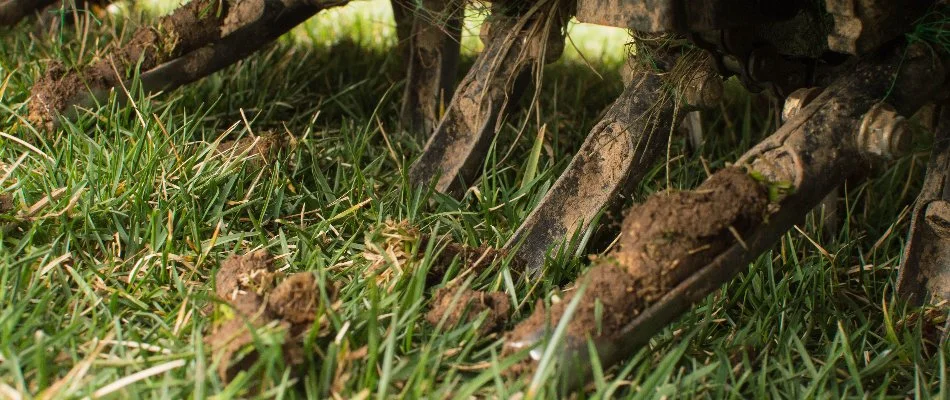
Core aeration is an essential lawn care practice aimed at relieving soil compaction, which can hinder the flow of air, water, and nutrients to the roots. During the aeration process, a specialized machine extracts small plugs, or cores, of soil from the ground, creating channels that enhance the soil's ability to absorb vital resources. These cores, initially left scattered across the lawn, might appear unsightly, but they serve a crucial function. By removing these plugs, aeration increases soil porosity and promotes healthier root systems, ultimately leading to more robust grass growth.
What should you do with the soil cores on your lawn after it has been aerated?
After your lawn has been aerated, the best course of action is to leave the soil cores on your lawn. Over time, these clumps will naturally break down and decompose, returning valuable nutrients to the soil. This decomposition process enriches the soil, improving its structure and fertility. The nutrients released from the decomposing cores help support robust root development and overall lawn vitality.
Leaving the soil cores also means less work for you. Nature will take its course, and in a few weeks, the clumps will disappear, integrated back into the soil. This natural recycling process contributes to a healthier, more resilient lawn without any additional effort on your part.
What can you do if you don't like the look of the soil cores on your lawn after aeration?
Some property owners might find the appearance of soil cores on their lawn after aeration unappealing. If you're eager to speed up their decomposition or simply want to tidy up your lawn, there are a couple of options:
- Break the Cores Up with a Rake: Gently raking over the soil cores can help break them apart, allowing them to decompose more quickly. This method spreads the soil more evenly across the lawn, enhancing the integration of nutrients.
- Mow Over the Cores: Running your mower over the cores can also help break them down. The mower blades will chop the clumps into smaller pieces, accelerating the decomposition process.
While these methods can improve the appearance of your lawn in the short term, it's essential to remember the long-term benefits of leaving the soil cores intact. Removing them entirely is not recommended, as this would deprive your lawn of the valuable nutrients they provide.
Call our team to schedule our core aeration service!
At BlueGrass Lawns, we offer a professional core aeration service to help improve the health and vitality of your lawn. Our team of experts will carefully remove small plugs of soil from your lawn to alleviate soil compaction and improve air, water, and nutrient flow to the roots of your grass. This service is offered in the spring and fall to ensure your grass can tolerate the process and recover from it!
We serve residential and commercial properties, as well as HOAs, in Grand Rapids, Lansing, Ada, and nearby areas in Michigan. Contact us today at (616) 794-2000 to schedule our core aeration service and give your lawn the boost it needs to thrive.