
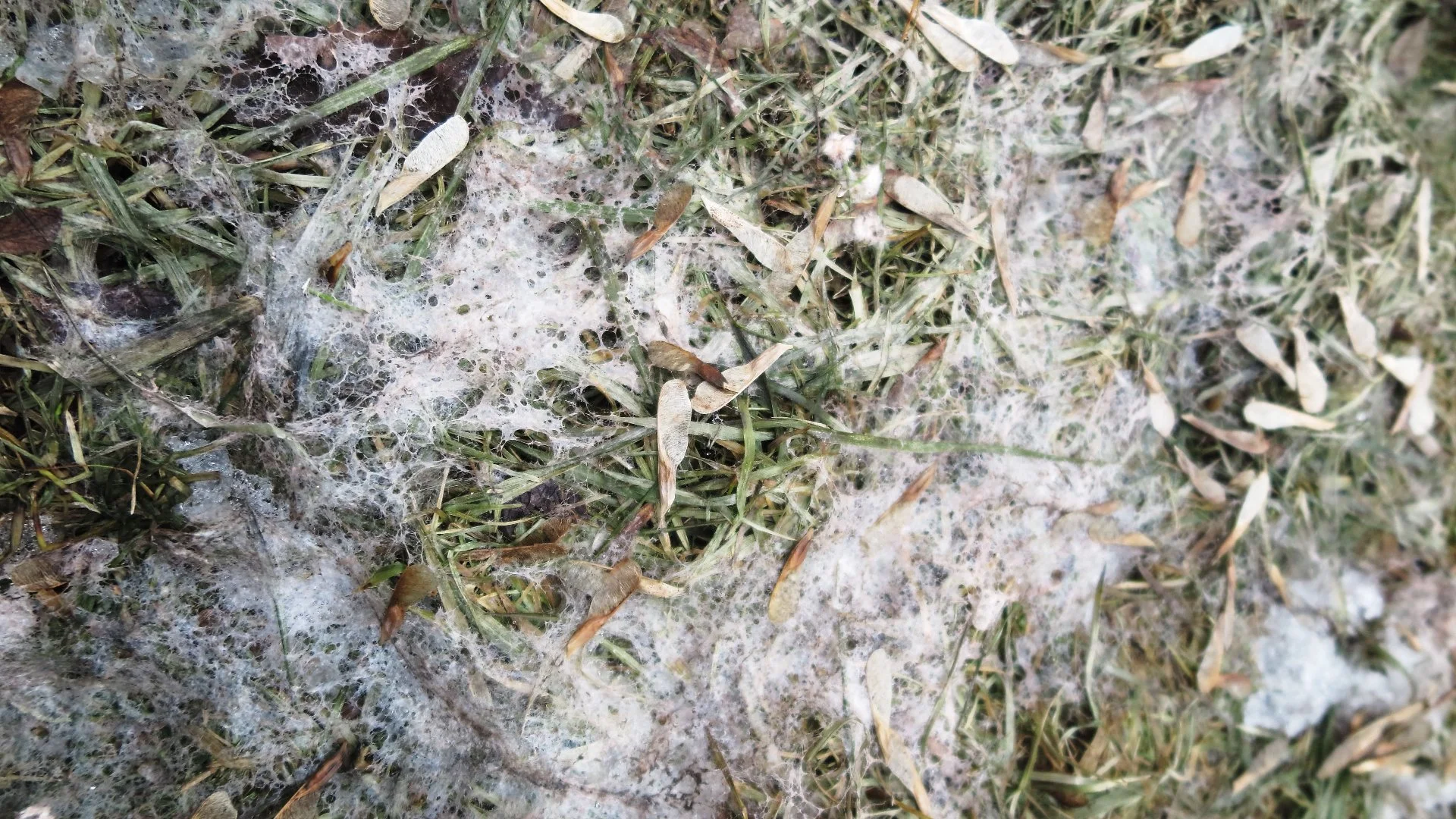
As winter arrives, it's important to be aware of a common lawn disease that can wreak havoc on your grass - snow mold. Snow mold is a fungal disease that forms under the snow, causing damage to grass, especially during the melting period. If you suspect snow mold, it's crucial to contact lawn care professionals for a curative treatment to prevent further damage. Preventative measures include clearing leaves and debris, cutting grass shorter before winter, avoiding large snow piles, and investing in fungicide treatments. By taking these steps, you can protect your lawn in Michigan from snow mold and ensure it remains vibrant and healthy.
What is snow mold?
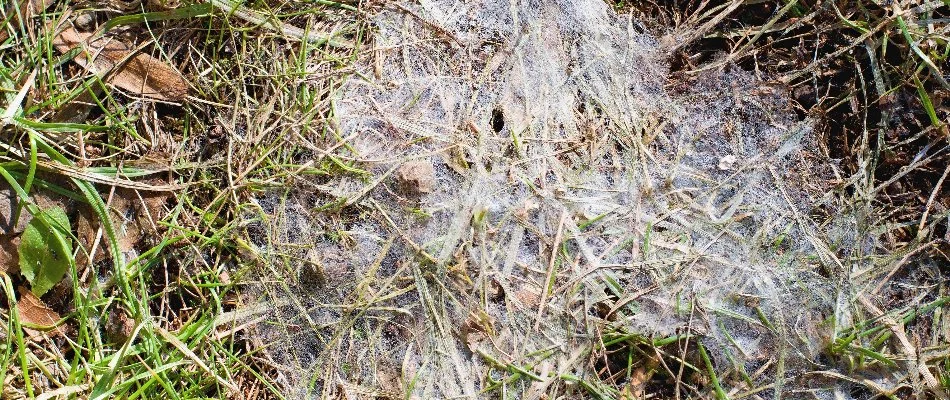
Snow mold is a fungal disease that affects cool-season grasses, such as Kentucky bluegrass, perennial ryegrass, and tall fescue. It typically appears in the early spring when the snow melts, and the ground is still cold and wet. The fungus thrives in these conditions and can quickly spread across your lawn.
There are two types of snow mold: gray snow mold and pink snow mold. Gray snow mold is the more common of the two and appears as circular patches of white mold on your lawn. Pink snow mold, on the other hand, appears as pink or red patches and is more severe.
What should you do if you suspect snow mold?
If you suspect snow mold has affected your lawn, it's crucial to act quickly. The first step is to contact professionals who specialize in lawn care and disease management. They can assess the extent of the damage and recommend a curative treatment plan tailored to your lawn's specific needs.
Professional treatment may involve applying fungicides to halt the progression of the disease and promote recovery. Experts can also provide guidance on cultural practices to help your lawn recover more quickly, such as raking affected areas to improve air circulation and encourage new growth. Scheduling a curative treatment as soon as possible can prevent further damage and help restore your lawn's health.
How can you prevent snow mold?
Preventing snow mold requires a proactive approach, focusing on lawn care practices that minimize the risk of fungal growth. Here are some effective steps you can take to protect your lawn from snow mold:
- Clear Leaves & Debris: Before the first snowfall, make sure to remove leaves and debris from your lawn. Organic matter left on the grass can trap moisture, creating an ideal environment for snow mold to develop.
- Cut Grass Shorter: During the last mow of the season, trim your grass shorter than usual. Shorter grass is less likely to mat down under the weight of snow, reducing the conditions that favor snow mold growth.
- Avoid Piling Snow: Be mindful of where you pile snow, avoiding large accumulations in specific areas of your lawn. Uneven snow distribution can lead to uneven melting patterns, increasing the risk of mold development.
- Invest in Preventative Treatments: Consider applying fungicides in the late fall as a preventative measure. These treatments target the fungi before they can establish themselves under the snow, providing an added layer of protection for your lawn.
Call our crew today to schedule our lawn disease control service!
If you suspect that your lawn has snow mold, you've come to the right place. Here at BlueGrass Lawns, we offer a lawn disease control service that includes curative treatments to eliminate active diseases on your turf and stop them from wreaking further havoc. However, our team also provides multiple preventative treatments that we will alternate during each application to ensure maximum effectiveness. This service is offered to homes and businesses, as well as HOAs, in and around Grand Rapids, Lansing, and Ada, MI. Call us today at (616) 794-2000 to schedule!